For heavy loads, chain conveyors typically offer superior structural strength and durability compared to belt conveyors. The right choice depends on material type, temperature, and budget. A specialist conveyor supplier can help match the system to your specific handling requirements.
- Chain conveyors are generally better for heavy, abrasive, or high-impact materials.
- Belt conveyors are better for medium loads, long distances, and gentle handling.
- A conveyor supplier can help size the system correctly based on your load profile.
- Match the conveyor type to the material, not just the weight.
Which conveyor type handles the heaviest loads
Chain conveyors are the standard choice when the load is heavy, abrasive, or impacts the surface. They use a load-carrying chain, often with rollers or buckets, to move material directly. The chain itself is the structural member. This gives it high tensile strength and the ability to resist bending. Belt conveyors use a fabric or rubber loop as the carrier. They work well for medium loads, but the belt can stretch, tear, or deform under extreme pressure.
The key question is not just weight. It is how the weight is applied. A dense, irregular rock load will break a belt. A uniform pallet of boxes will not. A conveyor supplier will ask about the peak load, the average load, and the impact force. They will also ask about temperature, chemicals, and the length of the run. These details decide the answer.
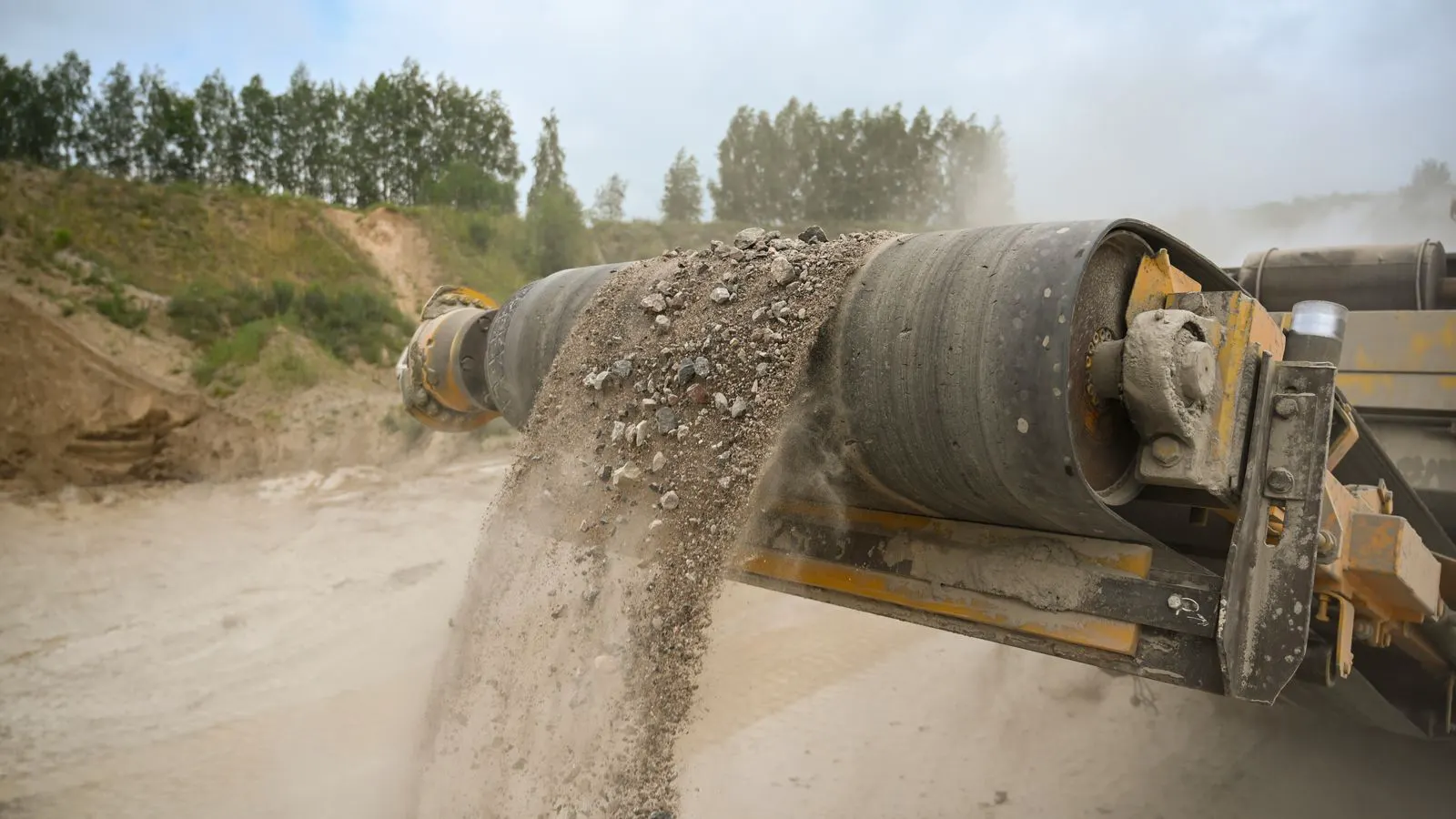
Consider a quarry conveyor moving crushed stone. The stones hit the belt with force. The friction between the rock and the rubber compound creates heat. Over time, that heat and impact cause the belt to crack. The chain, being a rigid metal loop, absorbs the shock differently. The force transfers through the link structure. The material sits on top of the chain or in a bucket. It does not dig into the surface. This distinction between a flexible, compressible surface and a rigid, load-bearing structure is what separates the two technologies under stress.
How chain conveyors handle heavy loads
Chain conveyors are built for strength. The chain links, rollers, and structural members form a rigid system. When a heavy load lands on the chain, the force spreads through the metal. The chain does not stretch like a belt. It holds its shape. This makes chain conveyors reliable for mining, quarry, and heavy manufacturing.
There are different styles. Roller chain conveyors use individual rollers to support the load. This reduces friction and allows the chain to flex around curves. Bucket chain conveyors use small buckets to scoop and carry material. They can move dense, loose material like coal or gravel. The buckets protect the chain from direct impact.
Maintenance is a factor. Chain conveyors need lubrication. The links and rollers can wear. A well-designed system has a lubrication system that keeps the chain moving smoothly. If the chain is not lubricated, it will wear quickly. The supplier should include a maintenance plan.
In a scrap metal processing plant, the chain conveyor often handles twisted, jagged pieces of steel. The rollers support the weight, preventing the chain links from bending out of alignment. If the chain were not supported, the weight of the scrap would sag the loop. This sagging reduces the effective length of the chain and increases the tension on the drive sprocket. The sprocket teeth can wear, causing the chain to slip. Proper support frames with cross members are critical. They keep the chain tight and the load stable.
Lubrication is not just about oil. It is about keeping the wear surfaces clean. Dust and abrasive particles get trapped in the link joints. When the chain rotates, those particles act like sandpaper. They grind away the metal. A drip lubricator or a mist system can keep the joints wet. The supplier should specify the type of lubricant based on the material being moved. Water-based materials require different lubricants than dry, dusty loads. The maintenance team needs to know how to inspect the chain. They look for elongation. If the links stretch, the chain will hit the return rollers. This causes noise and premature failure.
How belt conveyors handle heavy loads
Belt conveyors are not weak. They can handle very heavy loads when the belt is thick and reinforced. A heavy-duty belt can carry a truck load of material. But the belt is a flexible member. It must be tensioned. If the tension is too low, it slips. If it is too high, it wears out quickly.
The belt material matters. Fabric belts are cheap and flexible. Rubber belts are stiffer and can carry more load. A conveyor supplier will specify the belt type based on the load. For heavy loads, a thick rubber belt with steel reinforcement is common. The belt must be supported by strong rollers and a sturdy frame.
Belt conveyors are better for long runs. The belt can be thousands of feet long. Chain conveyors are usually shorter because the chain is heavy and hard to run over long distances. If you need to move material a long way, a belt conveyor is often the practical choice.
In a cement plant, the belt conveyor moves clinker from the kiln to the storage silo. The material is hot and abrasive. The belt is a thick rubber compound with steel fabric layers inside. The steel layers provide tensile strength. The rubber provides the surface that contacts the material. The belt runs over a series of rollers. The head pulley at the discharge end is large. It wraps around the belt to increase friction. This friction prevents slipping. If the belt slips, the material falls back. The motor spins the pulley, but the belt lags behind. This causes overheating and can burn the belt.
Tensioning is a constant task. As the belt ages, it stretches. The tension decreases. The operator must adjust the tail pulley to bring the tension back. Too much tension puts stress on the bearings. Too little causes tracking issues. The belt will drift to one side. It will rub against the side of the frame. This cuts the belt. Tracking devices help correct this. They use sensors to detect drift and adjust the tail pulley automatically.
Comparison of chain and belt conveyors for heavy loads
| Option | Best for | Limitations |
|---|---|---|
| Chain conveyor | Heavy, abrasive, or high-impact materials | Higher cost, more maintenance, shorter runs |
| Belt conveyor | Medium to heavy loads over long distances | Can stretch or tear, not ideal for high-impact loads |
| Roller chain conveyor | Heavy loads that need smooth movement | Requires frequent lubrication |
| Bucket chain conveyor | Dense, loose material like coal or gravel | Not suitable for delicate items |
| Heavy-duty belt conveyor | Long runs with heavy but uniform loads | Needs proper tensioning and support |
The table shows the trade-offs. Chain conveyors are stronger but more complex. Belt conveyors are simpler but less tolerant of abuse. The right choice depends on your material. A conveyor supplier will evaluate the material first. Then they will design the system.
For a grain elevator, the belt conveyor is the obvious choice. The grain is light, uniform, and flows easily. The belt is fast and efficient. The chain conveyor would be overkill and too slow. For a steel mill, the chain conveyor is necessary. The hot slabs are heavy and rigid. They cannot be placed on a flexible belt without damaging it. The chain supports the weight. The rollers guide the slabs. The belt would sag. The slabs would shift. The chain does not sag. The load stays put.
The choice also depends on the environment. If the site is wet, the chain conveyor needs protection. Water can cause rust. The lubricant can wash away. The belt conveyor needs protection from heat and chemicals. If the material is hot, the rubber belt can degrade. The chain is metal. It can handle higher temperatures, but the lubricant has a limit. The supplier will specify the temperature range. They will choose materials that can withstand the heat.
When to choose a chain conveyor for heavy loads
Choose a chain conveyor when the material is heavy and rough. Coal, rock, gravel, and scrap metal are common examples. The material will hit the conveyor surface. A belt would tear. A chain will survive. If the load is dense and irregular, a chain conveyor is the safe choice.
Choose a chain conveyor when the run is short. Chain conveyors are best for runs of a few hundred feet. They are heavy. The structural support must be strong. If the run is long, the weight of the chain becomes a problem. A belt conveyor is lighter and easier to run over long distances.
Choose a chain conveyor when the material is abrasive. Abrasive material wears belts quickly. The chain is harder to wear. It can be replaced link by link. This makes repair cheaper. A conveyor supplier will know the wear rate for your material. They will specify the chain material accordingly.
In a foundry, the chain conveyor moves hot sand from the molding area to the casting area. The sand is abrasive and hot. The chain is made of hardened steel. It resists the wear. The belt would melt or degrade. The chain can handle the heat. The lubricant is a high-temperature oil. It stays in the links. The chain moves the sand without breaking. The sand is loose. It falls into the buckets. The buckets lift it over the return pulley. The sand is dumped onto the casting table. The chain continues to move.
If the material is very dense, the chain load rating is critical. The supplier will calculate the load per foot. They will specify the chain type. They will check the sprocket teeth. If the chain is too small, it will break. If the sprocket is too small, it will wear. The match between the chain and the sprocket is essential. The supplier will provide the drawing. The engineer will check the calculations. The structure will be sized to support the weight. The motor will be sized to provide the torque. Everything works together.
When to choose a belt conveyor for heavy loads
Choose a belt conveyor when the load is heavy but uniform. Pallets, drums, and large boxes are good examples. The load spreads evenly across the belt. There is no impact. The belt can carry the weight without tearing. If the load is uniform, a belt conveyor is a good choice.
Choose a belt conveyor when the run is long. Belt conveyors can be very long. They are lighter than chain conveyors. The power required is lower. For long runs, a belt conveyor is more efficient. A conveyor supplier will calculate the power needed. They will size the motor and drive accordingly.
Choose a belt conveyor when the material is gentle. If the material is fragile or soft, a belt conveyor is better. The belt is smoother. It will not damage the material. A chain conveyor can be rough. The belts and rollers can scratch or break delicate items.
In a warehouse, the belt conveyor moves pallets of finished goods. The pallets are heavy but uniform. The belt is a thick rubber loop. It supports the pallets. The rollers are spaced close together. They prevent the belt from sagging between supports. The pallets roll over the rollers. The belt moves them from one area to another. The chain conveyor would be too rough. It would scratch the packaging. The belt is smooth. It protects the goods.
The belt conveyor is also quieter. The chain makes a clanking noise. The belt is silent. This is important in a facility where noise is an issue. The belt can be covered. It can be enclosed. This keeps dust inside. The chain is exposed. It collects dust. The dust gets into the links. It causes wear. The belt is easier to clean. A water jet can wash the belt. The chain is harder to clean. The lubricant mixes with the water. It makes a mess.
How to select a reliable conveyor supplier
A good conveyor supplier will ask questions. They will not just sell a conveyor. They will ask about the material, the load, the temperature, and the chemicals. They will ask about the site layout. They will ask about maintenance access. They will ask about the power supply.
A good supplier will provide a design. They will show you the layout. They will specify the chain or belt type. They will specify the motor and drive. They will specify the structure. They will provide a maintenance plan. They will provide spare parts. A conveyor supplier should be able to provide a full system.
A good supplier will be honest. They will tell you if a chain conveyor is not the right choice. They will tell you if a belt conveyor will not last. They will tell you if the load is too heavy. They will not oversell. They will design the system to work. A reliable conveyor supplier will stand behind their design.
Look for a supplier who has experience with your specific material. Ask for references. Call the references. Ask about their service. Ask about their response time. A good supplier will have a service team. They will come out when the conveyor breaks. They will diagnose the problem. They will fix it. They will prevent it from happening again.
The supplier should provide documentation. They will give you the manual. They will give you the maintenance schedule. They will give you the parts list. They will give you the warranty terms. They will give you the training materials. They will train your team. The training should be practical. They should show you how to operate the conveyor. They should show you how to inspect it. They should show you how to lubricate it. They should show you how to clean it.
The supplier should be responsive. They should answer your questions. They should provide quotes quickly. They should provide delivery dates. They should provide installation schedules. They should coordinate with your team. They should work with your engineers. They should work with your maintenance staff. They should be a partner. They should not disappear after the sale.
Final thoughts on heavy load handling
The choice between chain and belt conveyors is not one size fits all. It depends on the material. It depends on the load. It depends on the run length. It depends on the budget. A chain conveyor is stronger. A belt conveyor is lighter. Both can handle heavy loads. The key is to match the system to the material.
A conveyor supplier can help you make the right choice. They will evaluate your needs. They will design the system. They will provide the parts. They will install the system. They will train your team. They will support you after the sale. Choose a supplier who knows heavy load handling. They will build a system that works.
Frequently asked questions
Can a belt conveyor handle heavy loads?
Yes, a heavy-duty belt conveyor can handle heavy loads. The belt must be thick and reinforced. The system must be properly tensioned and supported.
What is the difference between chain and belt conveyors?
Chain conveyors use a metal chain as the carrier. Belt conveyors use a fabric or rubber loop. Chain conveyors are stronger. Belt conveyors are lighter.
Which conveyor type is better for mining?
Chain conveyors are better for mining. The material is heavy and abrasive. A chain conveyor can handle the impact. A belt conveyor would wear out quickly.
How do I find a good conveyor supplier?
Look for a supplier who asks about your material and load. They should provide a design and a maintenance plan. They should be able to provide spare parts.
Is a chain conveyor more expensive than a belt conveyor?
Generally, yes. Chain conveyors are more complex and use more metal. They cost more to buy and maintain. Belt conveyors are cheaper for similar loads.