Chain conveyors handle heavier, bulkier loads with direct drive efficiency. Belt conveyors offer smoother, longer runs with lower friction. Your load weight, shape, and speed requirements determine the correct selection for your conveyor design.
- Chain drives handle direct loads better for heavy, dense, or abrasive material.
- Belt systems provide smoother, longer transport with less friction and lower maintenance.
- Match the conveyor type to load weight, size, and travel distance before finalizing the design.
- Consider speed, temperature, and material handling requirements when selecting between chain and belt.
- Test load capacity margins to ensure the system handles peak demand without failure.
What determines the right conveyor type?
The load capacity is the primary driver. A heavy, dense bulk material like stone or metal scrap needs a different structural approach than lighter, uniform packaging. The material shape, weight per unit, and required transport distance all influence the choice between chain and belt systems.
When selecting a conveyor, engineers start with the physical properties of the material rather than the equipment itself. If the material is a heavy, dense granular substance, the structural forces on the frame are significantly higher. If the material is a uniform stack of cartons, the forces are distributed differently. The weight per linear foot, also known as the load per foot, is the standard metric used to compare these forces. A load of 100 pounds per linear foot on a belt conveyor creates a different stress profile than the same weight on a chain conveyor. The belt sags under that weight, changing the angle of the load and the tension on the drive pulley. The chain, being a rigid structural member, maintains a flatter profile but places higher lateral stress on the bearings and sprockets.
The shape of the material matters equally. Long, cylindrical objects like pipes or logs tend to roll. This requires a conveyor with a surface that prevents movement, such as chain plates or a belt with a textured pattern. Irregular shapes, like rocks or scrap metal, do not stack neatly. They require a system that can handle impact loads. A chain conveyor can absorb these impacts without losing tension, whereas a belt may slip on the drive pulley if the impact exceeds the friction limit.
The required transport distance also plays a role. Short runs, such as 20 to 50 feet, often favor chain systems because the structural rigidity is easier to manage and the initial cost is lower. Long runs, such as 500 feet or more, often favor belt systems. The belt can span large distances with fewer intermediate supports, reducing the number of bearings and structural joints. For very long runs, the belt must be tensioned carefully to prevent slippage.
How do chain conveyors perform with heavy loads?
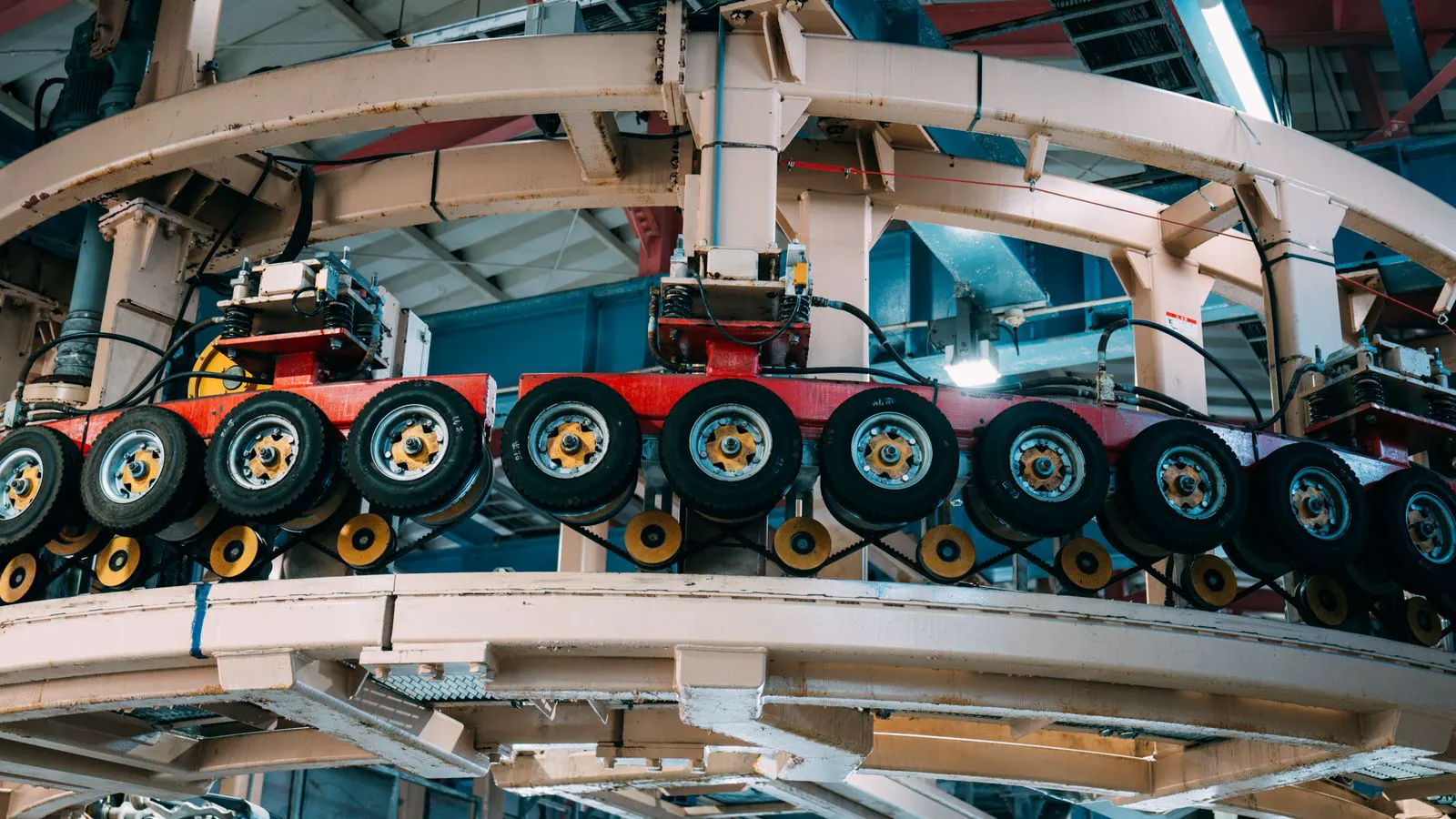
Chain conveyors use rollers, plates, or buckets attached to a continuous chain. The chain is driven directly by a motor and sprocket. This direct drive transfers force efficiently to the load. The structure can support high weight per linear foot.
For dense bulk material, chain systems maintain tension under load. The load rests on the chain or on rollers that move with the chain. The drive force is applied to the moving elements rather than to a flexible web.
The main advantage is load transfer. If the material is heavy or irregular, the chain structure holds its shape. The load does not sag between support points. This keeps the material aligned and the drive system stable.
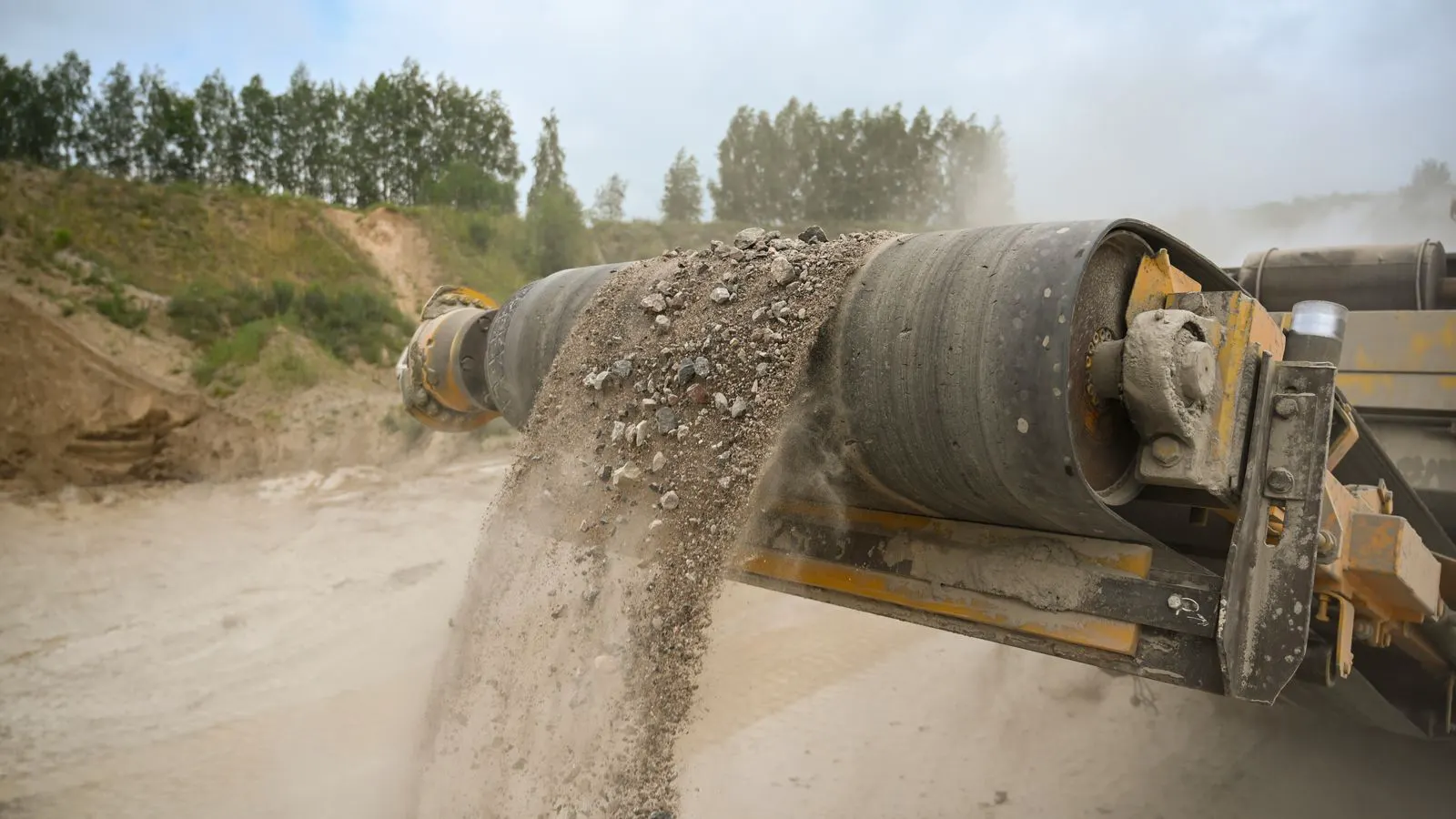
Consider a conveyor handling crushed granite. The material is heavy and abrasive. A belt conveyor would require a very wide web and a high-tension drive to prevent slippage. The granite would grind into the belt surface, shortening its life. A chain conveyor with steel plates handles the same material differently. The granite rides on the plates. The wear occurs on the plates, which can be replaced individually. The chain structure holds the material in a consistent line. The drive sprocket engages the chain links directly. This creates a high torque transfer. The system can start and stop under load without the belt slipping.
The chain type is also critical. Rollers provide a smoother ride than plates. Plates offer better support for irregular loads. Buckets are used for lifting material vertically. Each type has a specific mechanical behavior. Rollers reduce friction but may allow small objects to fall through gaps. Plates prevent falling but increase friction. Buckets create a vertical transport path but require careful alignment to prevent spillage.
The structural frame must be designed to handle the reaction forces. The drive sprocket pushes against the frame. The tail roller pulls against the frame. The load pushes down on the chain. These forces create bending moments in the frame members. A standard steel frame is usually sufficient for heavy loads. Aluminum frames are used for lighter applications to reduce weight. The frame must be aligned precisely. If the frame is out of square, the chain will bind. Binding causes excessive heat and wear on the sprocket teeth.
How do belt conveyors handle lighter or uniform loads?
Belt conveyors use a continuous web stretched over pulleys. The belt moves by friction between the pulley and the web. The load sits on top of the belt and moves with it. The drive force is applied to the belt, not to a structural member.
For lighter or uniform loads, the belt provides a smooth surface. The material slides or rolls on the web. The friction between the belt and the pulley creates the motion. The belt can span long distances with fewer intermediate drives.
The main advantage is smooth motion. The belt surface reduces friction compared to chain plates. The load moves at a steady speed with less vibration. This suits packaged goods, food items, and uniform bulk material.
In a packaging line, cartons are moved from a filling station to a packing station. The cartons are light and uniform. A belt conveyor provides a flat, stable surface. The cartons do not roll. The belt moves at a constant speed. The friction between the carton and the belt is sufficient to move the load. If the belt is too narrow, the cartons may tip over. If the belt is too wide, the cost increases. A standard width of 36 to 60 inches is common for these applications.
The belt material is chosen based on the load. Polyurethane belts are strong and flexible. They are used for general purpose handling. Rubber belts are used for heavy loads or wet environments. The belt has a core and a cover. The core provides strength. The cover protects the core from abrasion. The belt must be matched to the pulley diameter. Small pulleys cause the belt to flex more. This leads to cracking of the cord plies. Larger pulleys reduce flexing but increase the space required.
The tension control is critical. The belt must be tight enough to prevent slippage on the drive pulley. If the tension is too low, the belt slips. The drive motor runs at speed, but the load does not move. If the tension is too high, the bearings wear faster. The frame must include a tensioning mechanism. A take-up unit is used to adjust the position of the tail pulley. This keeps the belt tension constant as the belt stretches over time.
Where do the two systems diverge in design?
The structural design differs significantly. Chain conveyors need a rigid frame to support the chain tension. The frame must handle the reaction forces from the drive and the load. Belt conveyors need a frame to support the pulleys and the belt. The frame handles the belt tension and the load weight.
The support spacing differs. Chain systems use closer support spacing because the chain structure is rigid. Belt systems use wider support spacing because the belt is flexible. The belt sags between supports and the load follows that curve.
The speed range differs. Chain systems handle higher speeds with heavy loads. The direct drive maintains torque. Belt systems handle moderate speeds with lighter loads. The friction drive has a limit on the force it can transmit.
The chain design is driven by the need for rigidity. The chain links form a continuous loop. Each link is a structural unit. The load is supported by the links or by rollers attached to the links. The chain does not stretch significantly under load. This allows the load to be supported at a constant height. The support spacing can be wider than for a belt because the chain does not sag as much. However, the chain must be aligned. Any misalignment causes the chain to rub against the frame or the return rollers. This generates heat and accelerates wear.
The belt design is driven by the need for flexibility. The belt is a flexible web. It stretches under tension. The load sits on the top surface. The belt sags between the supports. This sag creates a curve. The load follows this curve. The support spacing must be wide enough to allow the sag without causing the belt to touch the frame. If the supports are too close, the belt rubs against them. If they are too far apart, the sag is too great, and the load may shift.
The speed is limited by the drive mechanism. Chain drives use sprockets. The sprocket teeth engage the chain links. This allows for high torque. The speed can be high because the chain does not slip. Belt drives use friction. The belt relies on the friction between the belt and the pulley. The friction is limited by the normal force and the coefficient of friction. If the load is too heavy, the friction is exceeded. The belt slips. This limits the maximum load for a belt conveyor of a given size.
How does load capacity affect the sizing?
Load capacity sets the minimum structural requirements. The load weight per linear foot determines the frame size. The load weight per unit determines the support spacing. The material density affects the drive motor size.
For chain systems, the load capacity increases with the chain size. Larger chain links distribute the load better. The frame must support the combined weight of the chain and the material. The drive motor must overcome the friction and the load inertia.
For belt systems, the load capacity increases with the belt width. A wider belt supports more weight per linear foot. The frame must support the pulleys and the load. The drive motor must overcome the friction and the load inertia.
The key difference is how the load is carried. Chain systems carry the load on a rigid structure. Belt systems carry the load on a flexible web. The rigid structure transfers the load to the frame. The flexible web transfers the load to the pulleys.
When sizing a chain conveyor, the chain size is selected based on the load. A standard chain size can handle a specific weight per linear foot. If the load exceeds this weight, a larger chain is required. The larger chain has thicker links and stronger pins. The sprocket must also be larger. The sprocket teeth must match the chain pitch. The motor must provide enough torque to turn the sprocket against the load. The torque is calculated based on the load weight, the friction, and the acceleration.
When sizing a belt conveyor, the belt width is selected based on the load. A standard belt width can handle a specific weight per linear foot. If the load exceeds this weight, a wider belt is required. The wider belt has a larger contact area with the pulleys. This increases the friction. The frame must be wider to support the wider belt. The pulleys must be larger to accommodate the wider belt. The motor must provide enough torque to turn the drive pulley. The torque is calculated based on the load weight, the belt tension, and the friction.
When should you choose a chain conveyor?
Choose a chain conveyor when the load is heavy, dense, or irregular. The material weight exceeds the practical limit for a belt system. The load is abrasive or cuts the belt. The material is large and uneven. The system requires high speed with heavy load.
Chain systems suit bulk material handling. Stone, gravel, metal scrap, and heavy packaging all work well. The chain structure holds the load in place. The drive system maintains tension under load.
The main limitation is the smoothness of motion. Chain systems can be noisier than belt systems. The load experiences a slight vibration. The chain structure requires more frequent inspection for wear.
In a quarry, a chain conveyor moves crushed rock from a crusher to a stockpile. The rock is heavy and abrasive. A belt would wear out quickly. A chain conveyor with steel plates handles the rock well. The plates are replaced when they wear. The chain structure holds the rock in a straight line. The drive sprocket provides the torque needed to move the heavy load. The system is noisy, but the noise is manageable with proper enclosure. The vibration is present, but it does not damage the material.
In a metal fabrication plant, a chain conveyor moves metal scrap. The scrap is irregular and heavy. It may include long pieces of rebar or large plates. A belt would not hold the scrap in place. The scrap would roll or shift. A chain conveyor with rollers or plates holds the scrap. The rollers provide a surface that the scrap rests on. The plates provide a flat surface. The chain structure prevents the scrap from falling through gaps. The drive system moves the scrap steadily.
When should you choose a belt conveyor?
Choose a belt conveyor when the load is light, uniform, or packaged. The material slides easily on a smooth surface. The travel distance is long. The speed is moderate. The load is sensitive to vibration.
Belt systems suit packaged goods, food items, and uniform bulk material. The smooth surface reduces friction. The belt moves steadily with less vibration. The system runs longer between maintenance checks.
The main limitation is the load capacity. Heavy or dense material can stretch the belt. The friction drive has a limit on the force it can transmit. The belt sags between supports. The frame must handle the belt tension.
In a grocery distribution center, a belt conveyor moves pallets of food. The pallets are light and uniform. They are stacked neatly. A belt conveyor provides a smooth surface. The pallets do not roll. The belt moves steadily. The load is sensitive to vibration because the food items could break. The belt system minimizes vibration. The long run allows the pallets to move from the receiving dock to the shipping area without intermediate transfers. The belt is wide enough to support the pallet width. The pulleys are large to prevent belt cracking. The tension is adjusted to prevent slippage.
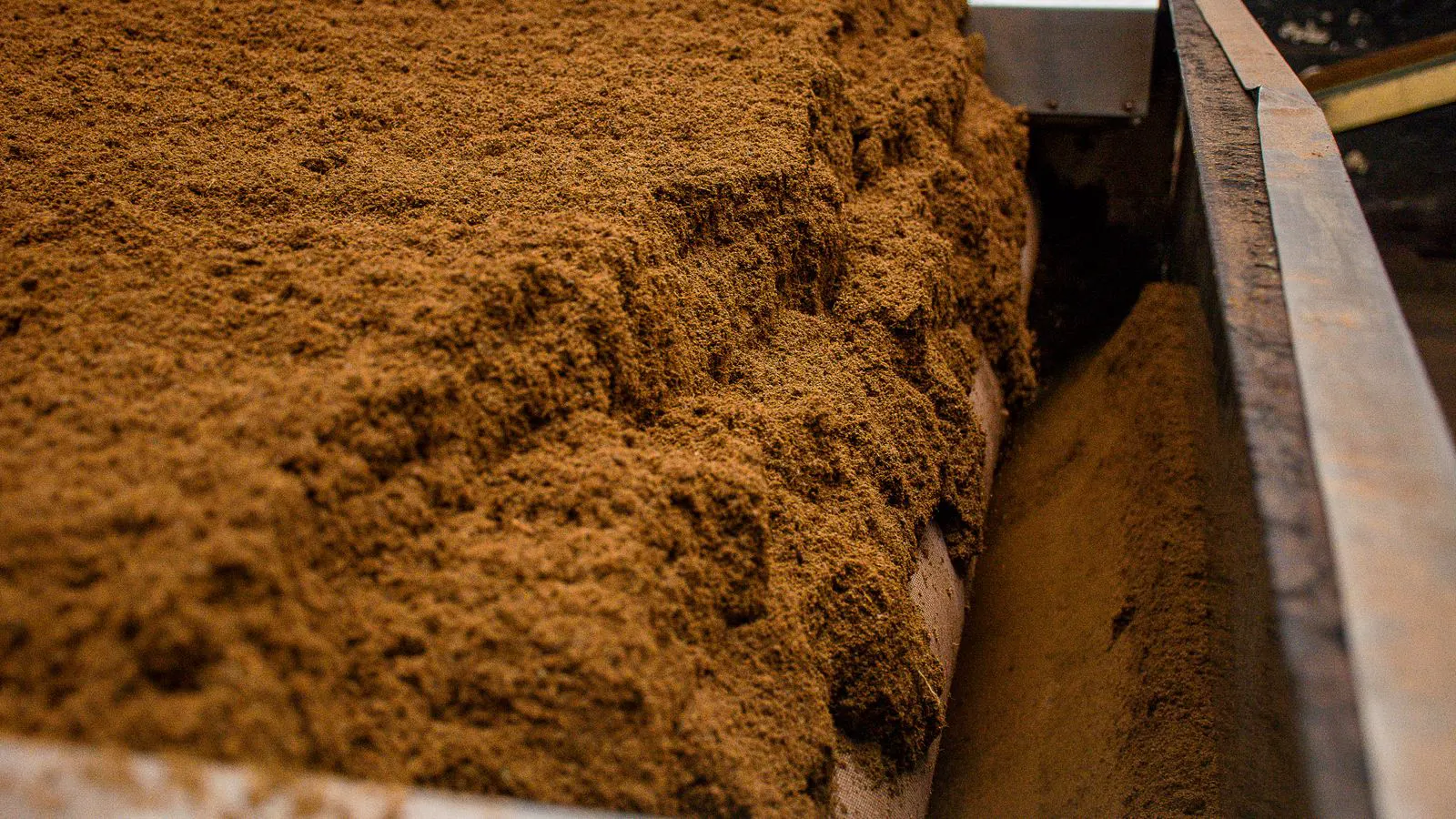
In a grain facility, a belt conveyor moves grain from a silo to a truck. The grain is uniform and light. It flows easily. A belt conveyor provides a smooth surface. The grain slides on the belt. The belt can span a long distance to reach the truck. The load is not sensitive to vibration. The belt system is efficient. The width of the belt is matched to the flow rate of the grain. The speed is set to match the flow rate.
How to compare the options for your application
| Option | Best for | Limitations |
|---|---|---|
| Chain conveyor | Heavy, dense, irregular loads | Noisier, more vibration, higher wear |
| Belt conveyor | Light, uniform, packaged loads | Lower load capacity, belt stretch |
| Chain with rollers | Heavy bulk material | Higher maintenance, more parts |
| Belt with idlers | Long runs, moderate loads | Belt wear, tension control |
| Modular chain | Variable speed, compact layouts | Limited load capacity, complex design |
The table shows the general fit for each option. The chain system handles heavy material better. The belt system handles long runs better. The chain with rollers handles dense bulk material. The belt with idlers handles moderate loads over distance. The modular chain handles compact layouts.
A chain with rollers is a specific type of chain conveyor. The rollers are attached to the chain links. The load rests on the rollers. This reduces friction between the load and the chain. The rollers rotate as the chain moves. This is useful for heavy bulk material that would otherwise stick to the chain plates. The maintenance is higher because the rollers must be inspected for wear. The parts are more numerous. The design is more complex.
A belt with idlers is a standard belt conveyor. The idlers are small rollers placed under the belt. They support the belt and the load. The idlers are spaced to control the sag. The belt wear is a concern. The idlers must be aligned to prevent the belt from rubbing. The tension control is critical. If the tension is too low, the belt slips. If it is too high, the idlers wear faster.
A modular chain is a type of chain conveyor that uses short sections of chain. These sections are joined together. This allows for variable speed and compact layouts. The chain can be routed in tight spaces. The load capacity is limited because the joints between the sections are a weak point. The design is complex and requires precise assembly.
How to finalize your selection
Start with the load data. Measure the weight per unit. Measure the material density. Determine the maximum load per linear foot. Determine the travel distance. Determine the required speed.
Next, check the material characteristics. Is the material abrasive? Is the material wet? Is the material hot? Is the material sticky? These factors affect the belt or chain material.
Then, review the structural requirements. The frame must support the load and the drive forces. The supports must be spaced to control the sag or the chain tension. The motor must provide the torque.
Finally, test the design. Run the system at the rated load. Check the tension. Check the alignment. Check the temperature. Adjust the design based on the results.
The load capacity is the starting point. The material characteristics refine the choice. The structural requirements set the dimensions. The test results confirm the design. Match the conveyor type to the load. The system will perform as expected.
Frequently asked questions
Can a belt conveyor handle heavy bulk material?
It depends on the belt width and the material density. A wide belt can support heavy loads, but the friction drive has a limit. The chain system handles heavier loads more easily.
How does load capacity affect the frame size?
The frame size increases with the load weight. The supports must be closer together. The motor must provide more torque. The frame material must handle the stress.
What is the main difference in motion between chain and belt systems?
Chain systems move the load on a rigid structure. Belt systems move the load on a flexible web. The chain motion is more direct. The belt motion is smoother.
How does temperature affect the choice?
High temperature can degrade the belt material. The chain material may expand or contract. The lubrication may thin. Choose materials rated for the operating temperature.
How do you check the load capacity margin?
Run the system at the rated load. Measure the tension. Measure the sag. Measure the temperature. Ensure the system has a margin above the peak load.